


 Posts
Posts


 9/27/2015 10:33:00 PM
 David Michels
George W. Bush. Paul the Apostle. Boromir. Dana Scully. What do they all have in common? Supposedly they are all Myers-Briggs
ESTJ (Extravert, Sensing, Thinking, Judging) personality
 types: strong
willed, organizers, guardians, creators of order, and reliable. How
they got Boromir or Scully to take the test is beyond me. ESTJs are also
apparently stubborn, judgmental, struggle with unconventional
solutions, and have difficulty relaxing. I am an ESTJ personality type
though I am a borderline Intravert/Extravert. I'll admit to most of the
above (except I am also lovable).
types: strong
willed, organizers, guardians, creators of order, and reliable. How
they got Boromir or Scully to take the test is beyond me. ESTJs are also
apparently stubborn, judgmental, struggle with unconventional
solutions, and have difficulty relaxing. I am an ESTJ personality type
though I am a borderline Intravert/Extravert. I'll admit to most of the
above (except I am also lovable).
I have been assessed and tested lots over the years as various tools rolled through my workplaces. Sometimes useful for understanding workplace dynamics, others examined my teaching, learning, or leadership styles.
Another sort of assessment explores your gifts and strengths. I have used assessments like these in churches to help people explore volunteer opportunities. These assessments tend to be of two types: spiritual gifts or natural talents. The first looks at the talents and gifts described in the Bible. The New Testament Letter to the Romans, for example, lists seven gifts/talents to serve the church: prophesying, serving, teaching, encouraging, giving, leading, and showing mercy.
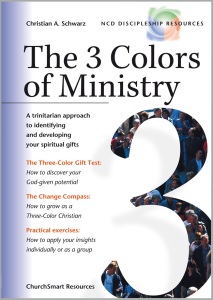 One of these skill tests was The 3 Colors of Ministry that
uses 180 questions to rank 34 different gifts/talents. When I took
that test my strengths were: teaching, wisdom (!), missions,
discernment, and pastoring. The tests provided definitions and
descriptions of each of these gifts, as well as blind spots and tips for
developing the gifts. Teachers in the church could lead a small group
Bible study (as I do) or teach classes and seminars. Teacher types are
warned that they must be careful to live what they teach, take the time
to prepare effectively, and continue to be a learner.
One of these skill tests was The 3 Colors of Ministry that
uses 180 questions to rank 34 different gifts/talents. When I took
that test my strengths were: teaching, wisdom (!), missions,
discernment, and pastoring. The tests provided definitions and
descriptions of each of these gifts, as well as blind spots and tips for
developing the gifts. Teachers in the church could lead a small group
Bible study (as I do) or teach classes and seminars. Teacher types are
warned that they must be careful to live what they teach, take the time
to prepare effectively, and continue to be a learner.
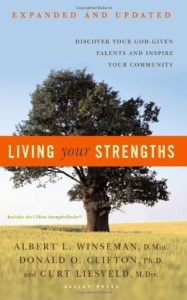 The other
type of test considers natural talents and abilities discovered through
extensive surveys and testing. These aren't particularly religious but
can be applied to a religious context like a church.
The other
type of test considers natural talents and abilities discovered through
extensive surveys and testing. These aren't particularly religious but
can be applied to a religious context like a church.
Living Your Strengths by Winseman and Clifton is one of these. Built on the Gallup Clifton Strengths Finder research, these tests are used in companies to build work teams. The test is built on the premise that we are often too focused on our weaknesses when we should be building on our strengths. I ran across this test in a local church that uses it to help people find where they can serve best in their church.
I took the test and discovered my strengths were, in order: (drum roll...) Analytical, Input, Learner, Belief, and Responsibility. Different categories from the 3 Colors test but with conceptual overlap. In a nutshell (!), I question and investigate because I need to know, I collect information, and I love to learn. Winseman and Clifton suggest that people with these strengths don't like contradictions, or "wishful" or "clumsy thinking." However if not careful can be harsh in their critique. They can collect far too much information. They have a belief system that includes strong ethics, and a need to take personal responsibility ("my good name depends on it.") Their work must mesh with their values and must be meaningful. Oh, and they probably over commit. Boy, that does sound a lot like me. Kind of creepy when these tests are accurate.
There are lots of tests out there; some better than others. Though these are useful to develop self-understanding, I've often found the best test to determine your strengths and weaknesses is a group of wise friends who know you well enough to tell you what they see, and to whom you will listen. Churches, when they work well, are good places for that.
 types: strong
willed, organizers, guardians, creators of order, and reliable. How
they got Boromir or Scully to take the test is beyond me. ESTJs are also
apparently stubborn, judgmental, struggle with unconventional
solutions, and have difficulty relaxing. I am an ESTJ personality type
though I am a borderline Intravert/Extravert. I'll admit to most of the
above (except I am also lovable).
types: strong
willed, organizers, guardians, creators of order, and reliable. How
they got Boromir or Scully to take the test is beyond me. ESTJs are also
apparently stubborn, judgmental, struggle with unconventional
solutions, and have difficulty relaxing. I am an ESTJ personality type
though I am a borderline Intravert/Extravert. I'll admit to most of the
above (except I am also lovable).I have been assessed and tested lots over the years as various tools rolled through my workplaces. Sometimes useful for understanding workplace dynamics, others examined my teaching, learning, or leadership styles.
Another sort of assessment explores your gifts and strengths. I have used assessments like these in churches to help people explore volunteer opportunities. These assessments tend to be of two types: spiritual gifts or natural talents. The first looks at the talents and gifts described in the Bible. The New Testament Letter to the Romans, for example, lists seven gifts/talents to serve the church: prophesying, serving, teaching, encouraging, giving, leading, and showing mercy.
 One of these skill tests was The 3 Colors of Ministry that
uses 180 questions to rank 34 different gifts/talents. When I took
that test my strengths were: teaching, wisdom (!), missions,
discernment, and pastoring. The tests provided definitions and
descriptions of each of these gifts, as well as blind spots and tips for
developing the gifts. Teachers in the church could lead a small group
Bible study (as I do) or teach classes and seminars. Teacher types are
warned that they must be careful to live what they teach, take the time
to prepare effectively, and continue to be a learner.
One of these skill tests was The 3 Colors of Ministry that
uses 180 questions to rank 34 different gifts/talents. When I took
that test my strengths were: teaching, wisdom (!), missions,
discernment, and pastoring. The tests provided definitions and
descriptions of each of these gifts, as well as blind spots and tips for
developing the gifts. Teachers in the church could lead a small group
Bible study (as I do) or teach classes and seminars. Teacher types are
warned that they must be careful to live what they teach, take the time
to prepare effectively, and continue to be a learner. The other
type of test considers natural talents and abilities discovered through
extensive surveys and testing. These aren't particularly religious but
can be applied to a religious context like a church.
The other
type of test considers natural talents and abilities discovered through
extensive surveys and testing. These aren't particularly religious but
can be applied to a religious context like a church. Living Your Strengths by Winseman and Clifton is one of these. Built on the Gallup Clifton Strengths Finder research, these tests are used in companies to build work teams. The test is built on the premise that we are often too focused on our weaknesses when we should be building on our strengths. I ran across this test in a local church that uses it to help people find where they can serve best in their church.
I took the test and discovered my strengths were, in order: (drum roll...) Analytical, Input, Learner, Belief, and Responsibility. Different categories from the 3 Colors test but with conceptual overlap. In a nutshell (!), I question and investigate because I need to know, I collect information, and I love to learn. Winseman and Clifton suggest that people with these strengths don't like contradictions, or "wishful" or "clumsy thinking." However if not careful can be harsh in their critique. They can collect far too much information. They have a belief system that includes strong ethics, and a need to take personal responsibility ("my good name depends on it.") Their work must mesh with their values and must be meaningful. Oh, and they probably over commit. Boy, that does sound a lot like me. Kind of creepy when these tests are accurate.
There are lots of tests out there; some better than others. Though these are useful to develop self-understanding, I've often found the best test to determine your strengths and weaknesses is a group of wise friends who know you well enough to tell you what they see, and to whom you will listen. Churches, when they work well, are good places for that.


